


Types of Salah (Namaz) in Sunni Islam
In Sunni Islam, Salah is categorized based on its level of obligation and purpose. These categories help Muslims structure their worship, with the five daily obligatory prayers forming the core. The classifications are derived from the Quran, Hadith, and scholarly consensus across the four major Sunni schools (Hanafi, Maliki, Shafi’i, and Hanbali). Here’s a breakdown:alislam.org
| Category | Description | Examples | Rak’at (Units) |
|---|---|---|---|
| Fard (Obligatory) | Compulsory prayers that every adult Muslim must perform. Missing them without valid excuse is sinful. These are the five daily prayers, enjoined in the Quran (e.g., Surah An-Nisa 4:103). | Fajr (Dawn), Zuhr (Noon), Asr (Afternoon), Maghrib (Sunset), Isha (Night). Jumu’ah (Friday congregational prayer) replaces Zuhr on Fridays. | Fajr: 2 Zuhr: 4 Asr: 4 Maghrib: 3 Isha: 4 Jumu’ah: 2 (in congregation) |
| Wajib (Necessary) | Prayers that are required but slightly less obligatory than Fard in some schools (e.g., Hanafi considers Witr as Wajib). Neglecting them is blameworthy. | Witr (odd-numbered prayer after Isha), Eid al-Fitr and Eid al-Adha prayers, Janazah (funeral prayer). | Witr: 1-3 (usually 3) Eid: 2 Janazah: 4 Takbirs (no bowing/prostration) |
| Sunnah Mu’akkadah (Emphasized Sunnah) | Voluntary prayers regularly performed by the Prophet Muhammad (PBUH), highly recommended to emulate. They complete the Fard and bring great reward. | 2 before Fajr; 4 before and 2 after Zuhr; 2 after Maghrib; 2 after Isha. | Varies (2-4 per prayer time) |
| Sunnah Ghayr Mu’akkadah (Non-Emphasized Sunnah) | Less emphasized voluntary prayers, performed occasionally by the Prophet (PBUH). | 4 before Asr; 4 before Isha. | Varies (2-4) |
| Nafl (Voluntary/Supererogatory) | Completely optional prayers for extra spiritual benefit. No fixed number or time, but specific types exist. | Tahajjud (late-night), Ishraq (post-sunrise), Duha/Chasht (mid-morning), Awwabin (after Maghrib), Tahiyyat al-Masjid (upon entering mosque), Tawbah (repentance), Hajat (need). | Usually 2 rak’at per set, can be more (e.g., Tahajjud: 2-12) |
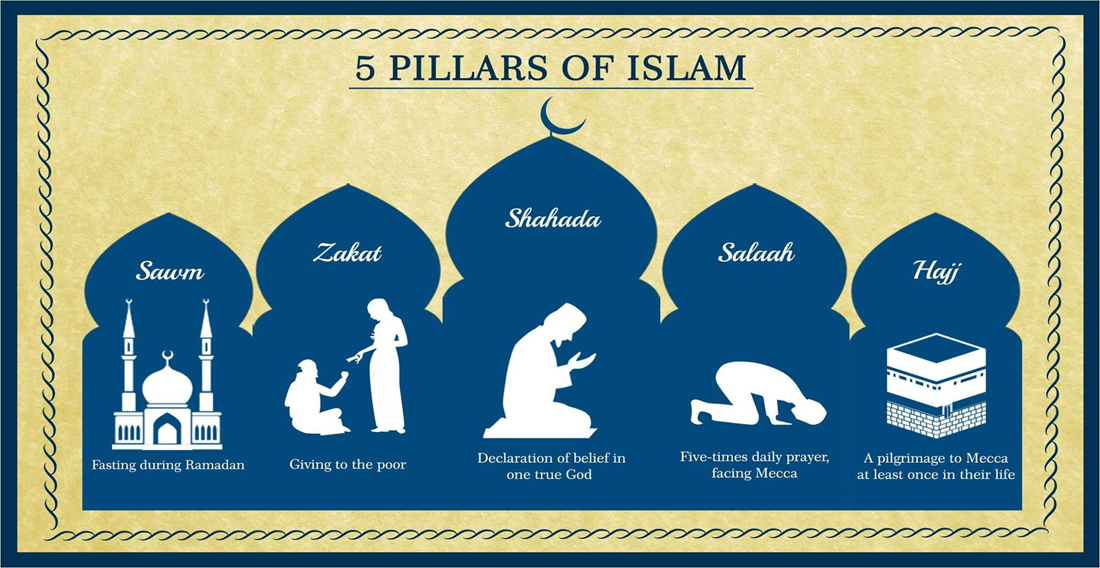
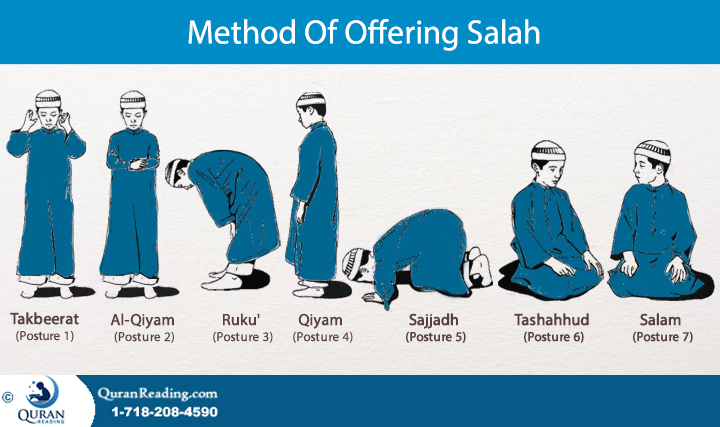
These prayers are performed in units called rak’at, involving standing, bowing, prostrating, and sitting, all while facing the Qibla (Kaaba in Mecca).mymasjid.ca
Special Reasons to Pray Nafil Namaz
Nafil (Nafl) prayers are voluntary acts of worship performed beyond the obligatory ones, purely out of love for Allah to seek His closeness and additional rewards. They are not compulsory, but the Prophet (PBUH) encouraged them for spiritual growth. Here are key reasons and benefits, supported by Islamic teachings:markazeislam.com
- Drawing Closer to Allah: Nafil prayers foster an intimate connection with the Creator. A Hadith Qudsi states: “My servant continues to draw near to Me with supererogatory works so that I shall love him.”muslimdirectoryapp.com
- Expiation of Sins: They help atone for minor sins and fill gaps in obligatory prayers. The Prophet (PBUH) said voluntary prayers compensate for deficiencies in Fard.quora.commuslimdirectoryapp.com
- Immense Rewards in the Afterlife: Performing certain Nafil, like Chasht (Duha), is said to earn a palace of gold in Jannah. Tahajjud elevates one’s rank in Paradise.en.wikipedia.org
- Spiritual Upliftment and Peace: They provide inner peace, contentment, and protection from worries, enhancing mental and emotional well-being.muslimdirectoryapp.comonlinequrankidsschool.com
- Barakah (Blessings) in Daily Life: Nafil brings increase in sustenance, ease in affairs, and blessings in time and efforts.muslimdirectoryapp.com
- Specific Purposes: For repentance (Tawbah: 2 rak’at to seek forgiveness), needs (Hajat: for help in difficulties), or gratitude (e.g., after Wudu: Tahiyyat al-Wudu, making Paradise obligatory).turntoislam.comislamicteachings.org
- Flexibility and Extra Devotion: They can be prayed at home for greater reward, emphasizing personal devotion over public display.abuaminaelias.com
Nafil prayers like Awwabin (6 rak’at after Maghrib) or Ishraq (after sunrise) are highlighted for their special virtues, such as equating to Hajj/Umrah rewards in some narrations.facebook.comislamestic.com

Hadith on the Importance of Salah (Namaz) in Islam
Salah is the second Pillar of Islam and a direct link between the worshipper and Allah, purifying the soul and preventing evil. Here are authentic Hadith emphasizing its significance:quranexplorer.com
- First Accountability on Judgment Day: The Prophet (PBUH) said: “The first matter that the servant will be brought to account for on the Day of Judgment is his prayer. If it is sound, then the rest of his deeds will be sound. And if it is bad, then the rest of his deeds will be bad.” (At-Tabarani; Sahih per Al-Albani).islamqa.infoen.tohed.com
- Distinguishes Faith from Disbelief: The Prophet (PBUH) said: “Between a man and polytheism and disbelief there stands his neglect of the prayer.” (Sahih Muslim).mymasjid.ca
- Expiates Sins: The Prophet (PBUH) said: “The five prayers are like an overflowing river which is at the door of one of you in which he washes five times daily.” (Sahih Muslim).islamqa.infosahlah.net
- Best Deed: When asked about the most virtuous deed, the Prophet (PBUH) replied three times: “The prayer at its proper time.” (Sahih Bukhari).reddit.comsahlah.net
- Pillar of Religion: The Prophet (PBUH) said: “The head of the matter is Islam, its pillar is Salah, and its peak is Jihad.” (Jami’ at-Tirmidhi).en.tohed.com
- Closeness in Prostration: The Prophet (PBUH) said: “The nearest a servant comes to his Lord is when he is prostrating himself, so make supplication in this state.” (Sahih Bukhari).pmc.ncbi.nlm.nih.gov
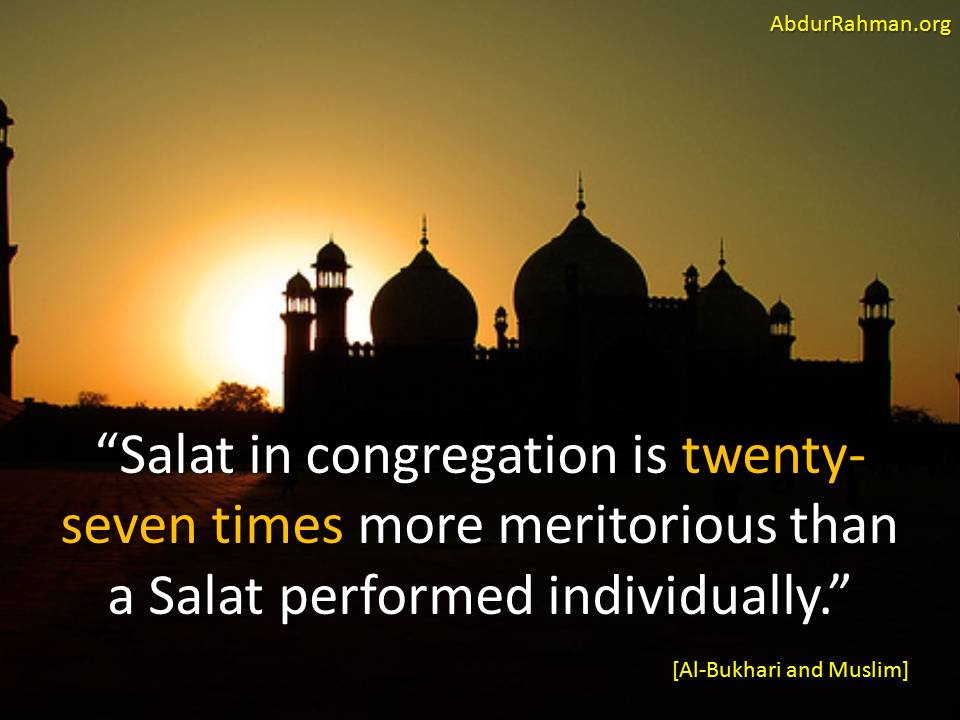
- Congregational Reward: The Prophet (PBUH) said: “The prayer in congregation is twenty-seven times superior to the prayer offered by a person alone.” (Sahih Bukhari).pmc.ncbi.nlm.nih.gov
These Hadith underscore Salah as essential for spiritual purification, success in this life and the hereafter, and maintaining faith.sunnah.comiium.edu.my
ADD ALL THE NAFIL SSALAH ALSO
Here is a comprehensive list of the main Nafl (voluntary/supererogatory) Salah in Sunni Islam. These are optional prayers performed for extra reward, closeness to Allah, expiation of sins, and various specific benefits. They are not compulsory but highly encouraged in authentic Hadith and scholarly traditions (across Hanafi, Maliki, Shafi’i, and Hanbali schools, with minor variations in details).
Nafl prayers are generally prayed in sets of 2 rak’at (unless specified), can be increased, and are best performed at home for greater reward (except those tied to the mosque).
| Nafl Salah Name | Time/When to Pray | Number of Rak’at | Special Reasons/Benefits | Key Hadith/Reference |
|---|---|---|---|---|
| Tahajjud (Qiyam al-Layl – Night Prayer) | After sleeping at night, in the last third of the night (before Fajr) | Minimum 2, up to 8–12 or more (in pairs) | Most virtuous Nafl; draws immense closeness to Allah; accepted duas; forgiveness; elevation in ranks; protection from Hell. | The Prophet (PBUH) said: “The best prayer after the obligatory prayers is the night prayer.” (Sahih Muslim). Also: “Our Lord descends every night to the lowest heaven when one-third of the latter part of the night is left…” (Sahih Bukhari). |
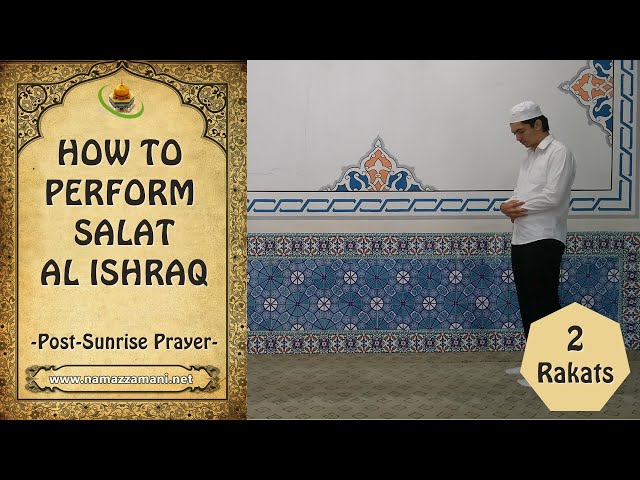
| Salat al-Ishraq (Post-Sunrise Prayer) | 15–45 minutes after sunrise (when sun is fully up and bright) | 2 or 4 | Equivalent to reward of complete Hajj and Umrah (if combined with morning dhikr); forgiveness; blessings in the day. | The Prophet (PBUH) said: “Whoever prays Fajr in congregation, then sits remembering Allah until the sun rises, then prays two rak’ah, will have a reward like that of Hajj and Umrah.” (Sunan at-Tirmidhi, graded Hasan). |
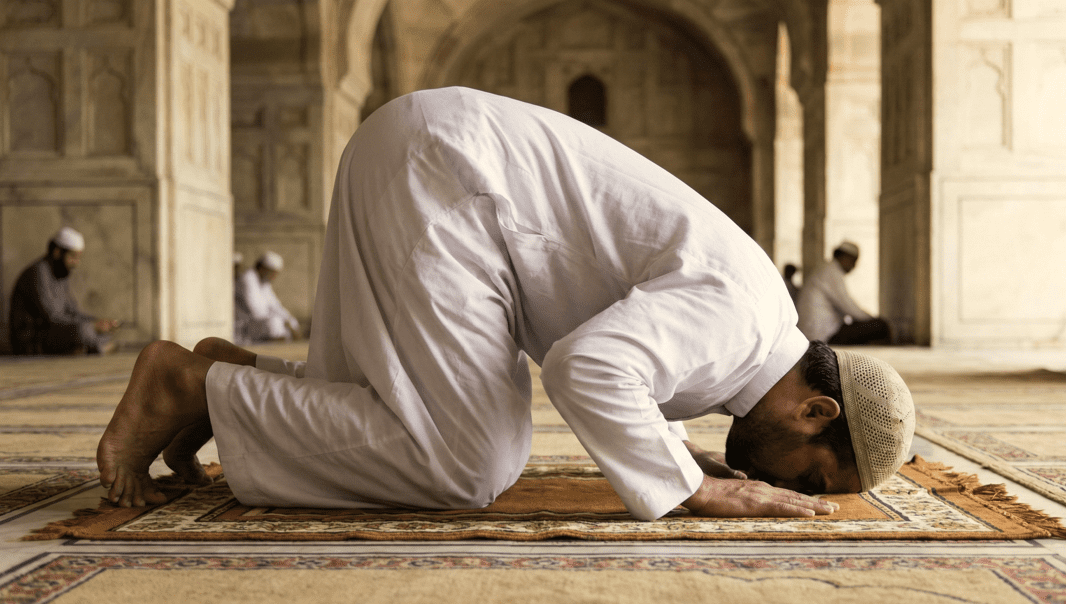
| Salat al-Duha / Chasht (Forenoon Prayer) | Mid-morning, after sunrise until just before Zuhr (ideal when sun is high) | 2 to 8 (or up to 12 in some narrations) | Charity for every joint in the body; increase in sustenance (rizq); forgiveness; fulfills 360 acts of charity daily. | The Prophet (PBUH) said: “In the morning, charity is due on every joint bone of the body… It is fulfilled by praying two rak’ah of Duha.” (Sahih Muslim). |
| Salat al-Awwabin (Prayer of the Oft-Repentant) | After Maghrib (immediately or shortly after its Sunnah) | 6 (in sets of 2), up to 20 in some views | For those who repent often; forgiveness of sins; special mercy for turning back to Allah. | The Prophet (PBUH) said: “Between Maghrib and Isha there is a prayer for the Awwabin.” (Sunan at-Tirmidhi). |
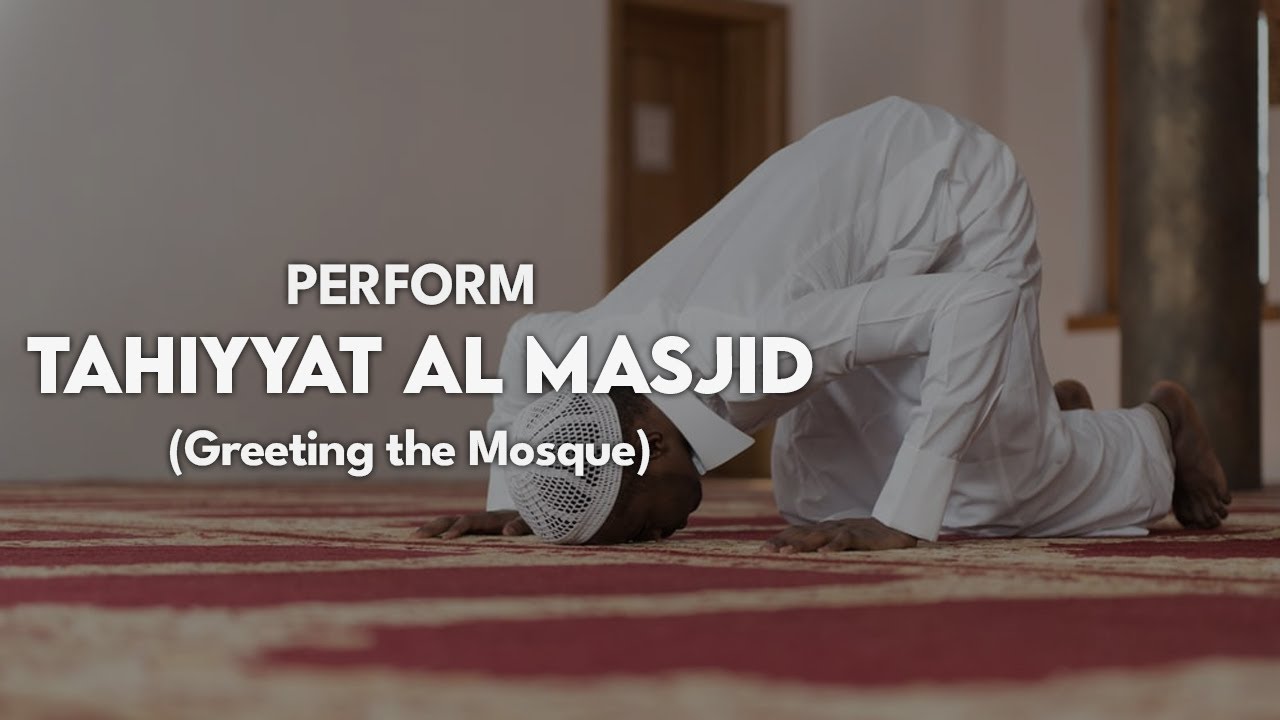
| Tahiyyat al-Masjid (Greeting the Mosque) | Upon entering any mosque (before sitting) | 2 | Honors the mosque; reward for greeting Allah’s house; prevents heedlessness. | The Prophet (PBUH) said: “When one of you enters the mosque, let him pray two rak’ah before sitting.” (Sahih Bukhari & Muslim). |
| Tahiyyat al-Wudu (Prayer after Wudu) | Immediately after completing ablution (wudu) | 2 | Makes Paradise obligatory; great reward for maintaining wudu. | The Prophet (PBUH) said to Bilal: “Tell me of the best of your deeds… He said: Performing wudu… and praying after it.” (Related in Sahih Muslim). |
| Salat al-Tawbah (Prayer of Repentance) | Whenever one commits a sin and seeks forgiveness (any time except forbidden times) | 2 | Specific for repentance; sincere tawbah with this prayer leads to forgiveness. | The Prophet (PBUH) said: “If anyone constantly seeks pardon (from Allah), Allah will appoint for him a way out of every distress…” and perform 2 rak’at for tawbah (Abu Dawud). |
| Salat al-Istikhara (Prayer for Guidance) | When facing a decision/need guidance (any permissible time) | 2 | Seeks Allah’s choice; brings peace and best outcome. | The Prophet (PBUH) taught: “If anyone of you intends to do something, let him pray two rak’ah other than the obligatory…” (Sahih Bukhari). |
| Salat al-Hajat (Prayer for Need) | When in need or difficulty (any time) | 2 (or more) | For fulfillment of legitimate needs; supplication after it. | The Prophet (PBUH) encouraged praying for needs: “Whoever has a need… let him perform wudu well, then pray two rak’ah, then praise Allah and send salawat…” (Tirmidhi). |
| Salat at-Tasbih (Glorification Prayer) | Any time (often recommended at night or specific occasions) | 4 rak’at (with special tasbih in each position: 15 in standing, 10 in ruku, etc., total 75 per rak’ah) | Heavy glorification of Allah; forgiveness of major/minor sins; special dhikr. | Narrated by Abdullah ibn Abbas: The Prophet (PBUH) taught it to his uncle Abbas for forgiveness (Sunan Abu Dawud, graded Hasan). |
These are the most commonly practiced and authentically reported Nafl prayers in Sunni tradition. Some scholars group Ishraq and Duha as similar (with Ishraq being the early form), and Awwabin sometimes overlaps with post-Maghrib Nafl. General Nafl (mutlaq) can also be prayed anytime except forbidden times (sunrise, zenith, sunset).
Additional Notes on Nafl
- Perform in pairs (2 rak’at at a time), except where specified.
- Recite Surah al-Kafirun in the first rak’at and al-Ikhlas in the second for many of these (Sunnah in some).
- They bring immense barakah, fill gaps in Fard prayers, and draw Allah’s love (Hadith Qudsi: “My servant draws near to Me with nothing more beloved than what I have made obligatory… until I love him.” – Bukhari).
ADD PHOTOS
Here is your comprehensive list of the main Nafl (voluntary/supererogatory) Salah in Sunni Islam, now enhanced with relevant photos for visual illustration. These images show Muslims performing or representing these prayers in authentic settings.
| Nafl Salah Name | Time/When to Pray | Number of Rak’at | Special Reasons/Benefits | Key Hadith/Reference | Illustration |
|---|---|---|---|---|---|
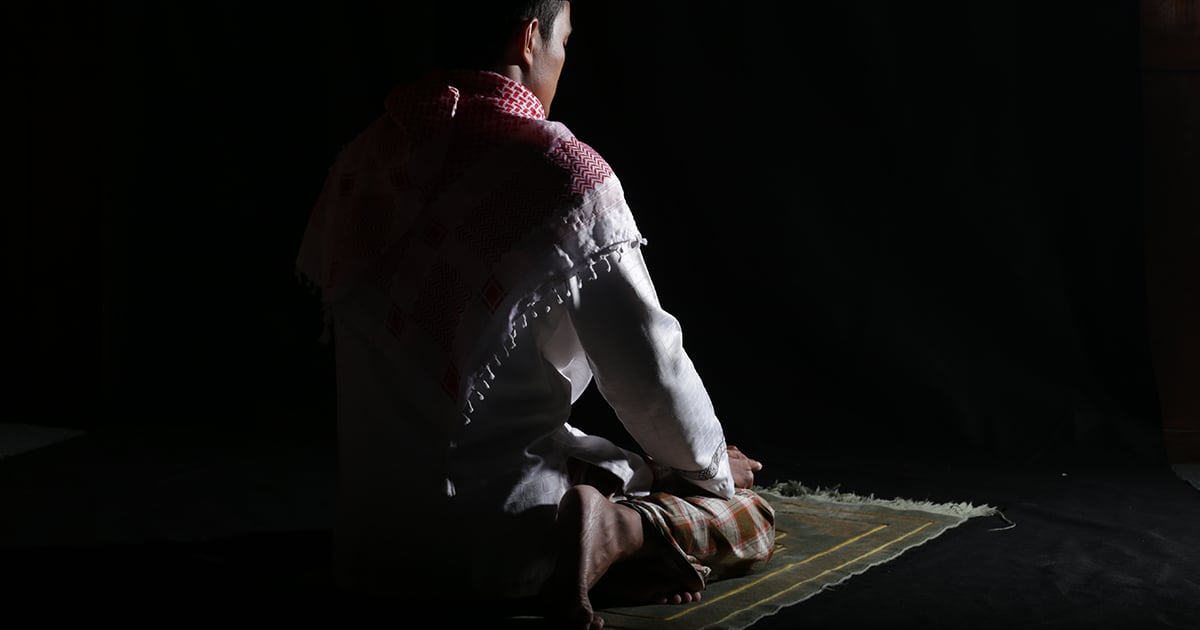
| Tahajjud (Qiyam al-Layl – Night Prayer) | After sleeping at night, in the last third of the night (before Fajr) | Minimum 2, up to 8–12 or more (in pairs) | Most virtuous Nafl; draws immense closeness to Allah; accepted duas; forgiveness; elevation in ranks; protection from Hell. | The Prophet (PBUH) said: “The best prayer after the obligatory prayers is the night prayer.” (Sahih Muslim). | Tahajjud: Fuel for the Self and Society | Yaqeen Institute for … |
| Salat al-Ishraq (Post-Sunrise Prayer) | 15–45 minutes after sunrise (when sun is fully up and bright) | 2 or 4 | Equivalent to reward of complete Hajj and Umrah (if combined with morning dhikr); forgiveness; blessings in the day. | The Prophet (PBUH) said: “Whoever prays Fajr in congregation, then sits remembering Allah until the sun rises, then prays two rak’ah, will have a reward like that of Hajj and Umrah.” (Sunan at-Tirmidhi, graded Hasan). | How to Perform Salat al-Ishraq (Post-Sunrise Prayer) – YouTube |

| | Salat al-Duha / Chasht (Forenoon Prayer) | Mid-morning, after sunrise until just before Zuhr (ideal when sun is high) | 2 to 8 (or up to 12 in some narrations) | Charity for every joint in the body; increase in sustenance (rizq); forgiveness; fulfills 360 acts of charity daily. | The Prophet (PBUH) said: “In the morning, charity is due on every joint bone of the body… It is fulfilled by praying two rak’ah of Duha.” (Sahih Muslim). |

| | Salat al-Awwabin (Prayer of the Oft-Repentant) | After Maghrib (immediately or shortly after its Sunnah) | 6 (in sets of 2), up to 20 in some views | For those who repent often; forgiveness of sins; special mercy for turning back to Allah. | The Prophet (PBUH) said: “Between Maghrib and Isha there is a prayer for the Awwabin.” (Sunan at-Tirmidhi). | (Typically performed like regular Nafl after Maghrib; no specific unique image, but similar to general voluntary prayer postures.) | | Tahiyyat al-Masjid (Greeting the Mosque) | Upon entering any mosque (before sitting) | 2 | Honors the mosque; reward for greeting Allah’s house; prevents heedlessness. | The Prophet (PBUH) said: “When one of you enters the mosque, let him pray two rak’ah before sitting.” (Sahih Bukhari & Muslim). |

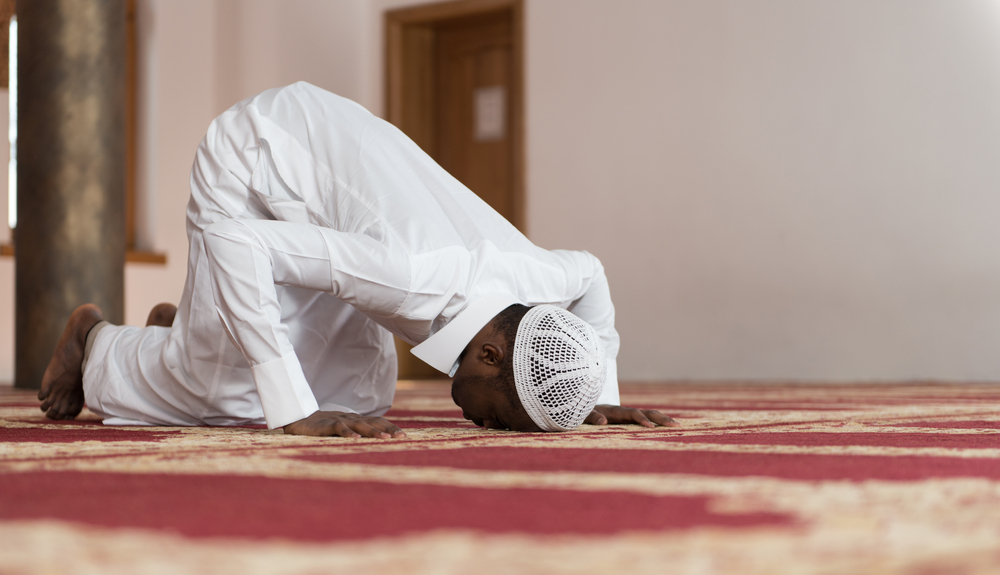
| | Tahiyyat al-Wudu (Prayer after Wudu) | Immediately after completing ablution (wudu) | 2 | Makes Paradise obligatory; great reward for maintaining wudu. | The Prophet (PBUH) said to Bilal: “Tell me of the best of your deeds… He said: Performing wudu… and praying after it.” (Related in Sahih Muslim). | (Often performed right after wudu in the same place; similar to general Nafl posture.) | | Salat al-Tawbah (Prayer of Repentance) | Whenever one commits a sin and seeks forgiveness (any time except forbidden times) | 2 | Specific for repentance; sincere tawbah with this prayer leads to forgiveness. | The Prophet (PBUH) said: “If anyone constantly seeks pardon (from Allah), Allah will appoint for him a way out of every distress…” and perform 2 rak’at for tawbah (Abu Dawud). |


| | Salat al-Istikhara (Prayer for Guidance) | When facing a decision/need guidance (any permissible time) | 2 | Seeks Allah’s choice; brings peace and best outcome. | The Prophet (PBUH) taught: “If anyone of you intends to do something, let him pray two rak’ah other than the obligatory…” (Sahih Bukhari). |

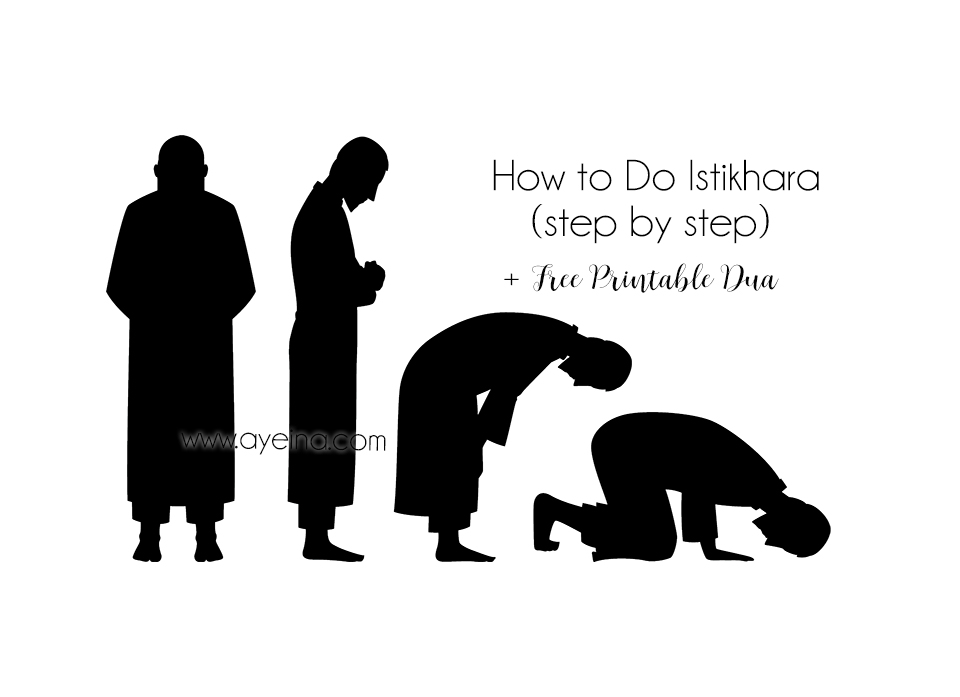
| | Salat al-Hajat (Prayer for Need) | When in need or difficulty (any time) | 2 (or more) | For fulfillment of legitimate needs; supplication after it. | The Prophet (PBUH) encouraged praying for needs: “Whoever has a need… let him perform wudu well, then pray two rak’ah, then praise Allah and send salawat…” (Tirmidhi). | (Similar to general Nafl with dua focus; often no distinct visual, but performed in quiet devotion.) | | Salat at-Tasbih (Glorification Prayer) | Any time (often recommended at night or specific occasions) | 4 rak’at (with special tasbih in each position: 15 in standing, 10 in ruku, etc., total 75 per rak’ah) | Heavy glorification of Allah; forgiveness of major/minor sins; special dhikr. | Narrated by Abdullah ibn Abbas: The Prophet (PBUH) taught it to his uncle Abbas for forgiveness (Sunan Abu Dawud, graded Hasan). | (Involves extra tasbih; posture like standard prayer with added glorification.) |
These visuals help show the serenity and devotion in performing Nafl prayers. Remember to pray them with sincerity, facing the Qibla, after proper wudu, and avoiding forbidden prayer times (exact sunrise, zenith, and sunset). May Allah accept all your voluntary acts of worship!
tHIS IS FOR MY WEBSITE WORLD WIDE ISLAM, SO ADD THAT
Here is the updated and comprehensive content on Types of Salah (Namaz) in Sunni Islam, including all major Nafl (voluntary) prayers, specially prepared for your website World Wide Islam. This material is authentic, based on Quran, authentic Hadith, and consensus of Sunni scholars (Hanafi, Maliki, Shafi’i, Hanbali schools). Feel free to use, adapt, or copy it directly for World Wide Islam to educate Muslims worldwide about the beauty and importance of Salah.
Types of Salah (Namaz) in Sunni Islam – For World Wide Islam
In Sunni Islam, Salah is divided into categories based on obligation and purpose. The five daily Fard prayers are the foundation, while voluntary (Nafl) prayers bring extra closeness to Allah.
| Category | Description | Examples | Rak’at (Units) |
|---|---|---|---|
| Fard (Obligatory) | Compulsory; missing without excuse is sinful. | Fajr, Zuhr, Asr, Maghrib, Isha; Jumu’ah (replaces Zuhr on Fridays). | Fajr: 2 Zuhr: 4 Asr: 4 Maghrib: 3 Isha: 4 Jumu’ah: 2 (congregation) |
| Wajib (Necessary) | Strongly required in most schools. | Witr (after Isha), Eid prayers, Janazah. | Witr: 1-3 Eid: 2 Janazah: 4 Takbirs |
| Sunnah Mu’akkadah (Emphasized) | Regularly performed by Prophet (PBUH); highly recommended. | 2 before Fajr; 4 before & 2 after Zuhr; 2 after Maghrib; 2 after Isha. | Varies (2-4) |
| Sunnah Ghayr Mu’akkadah | Occasionally performed; good but less emphasized. | 4 before Asr; some before Isha. | Varies |
| Nafl (Voluntary) | Optional for immense reward, forgiveness, and spiritual growth. | See detailed table below. | Usually 2 per set |
All Major Nafl Salah – Special Voluntary Prayers in Sunni Islam (For World Wide Islam)
Nafl prayers are acts of love for Allah, filling gaps in obligatory prayers and drawing His mercy. Perform in pairs, at home for greater reward (except mosque-tied ones), avoiding forbidden times (exact sunrise, zenith, sunset).
| Nafl Salah Name | Time/When to Pray | Number of Rak’at | Special Reasons/Benefits | Key Hadith/Reference | Illustration (Visual for World Wide Islam) |
|---|---|---|---|---|---|
| Tahajjud (Qiyam al-Layl) | Last third of night (after sleep, before Fajr) | 2–12+ (in pairs) | Best Nafl; immense closeness to Allah; duas accepted; sins forgiven; ranks elevated. | “The best prayer after obligatory is night prayer.” (Sahih Muslim) | Night Prayers- 10 Important Virtues of Night Prayers |
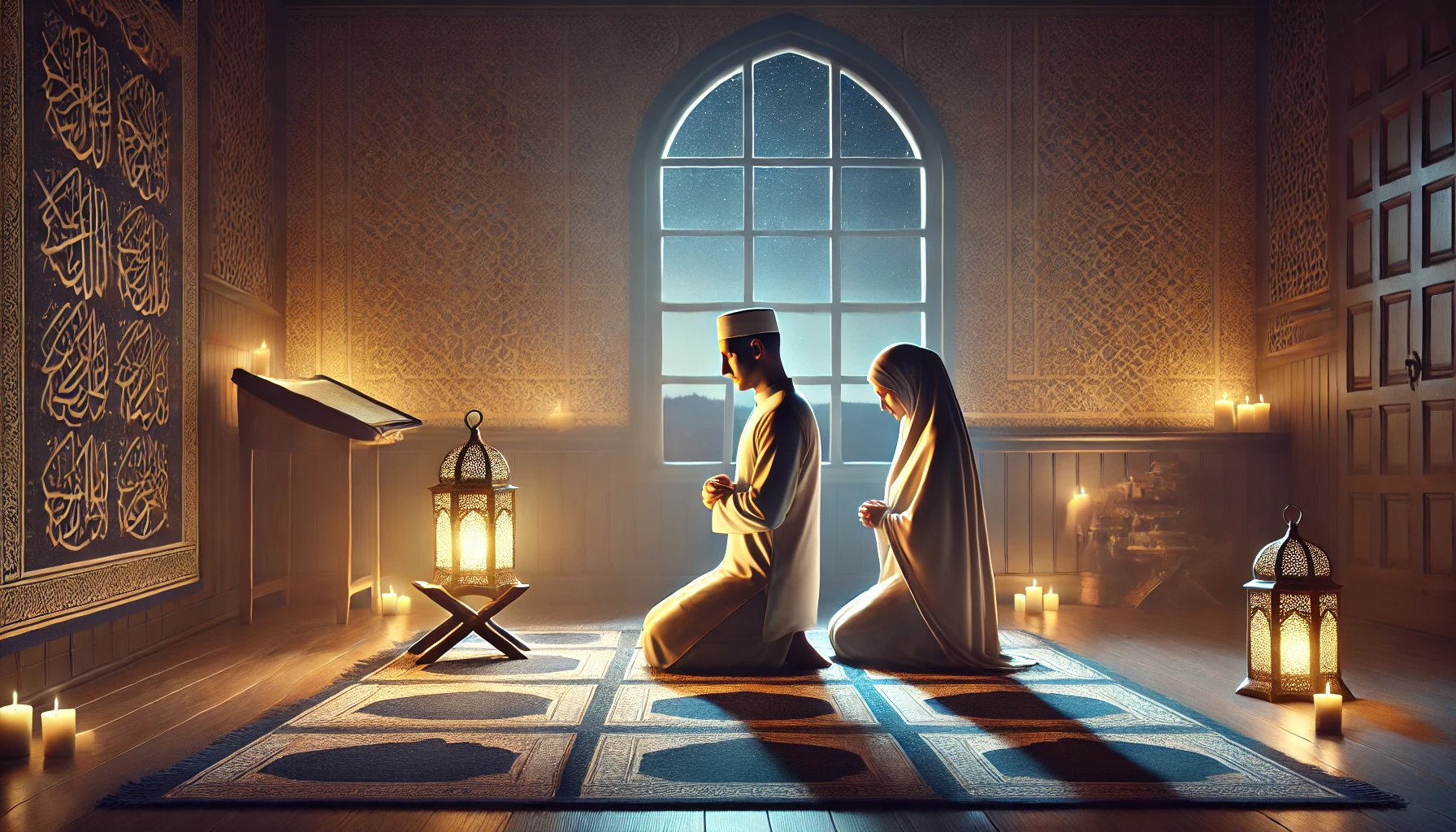
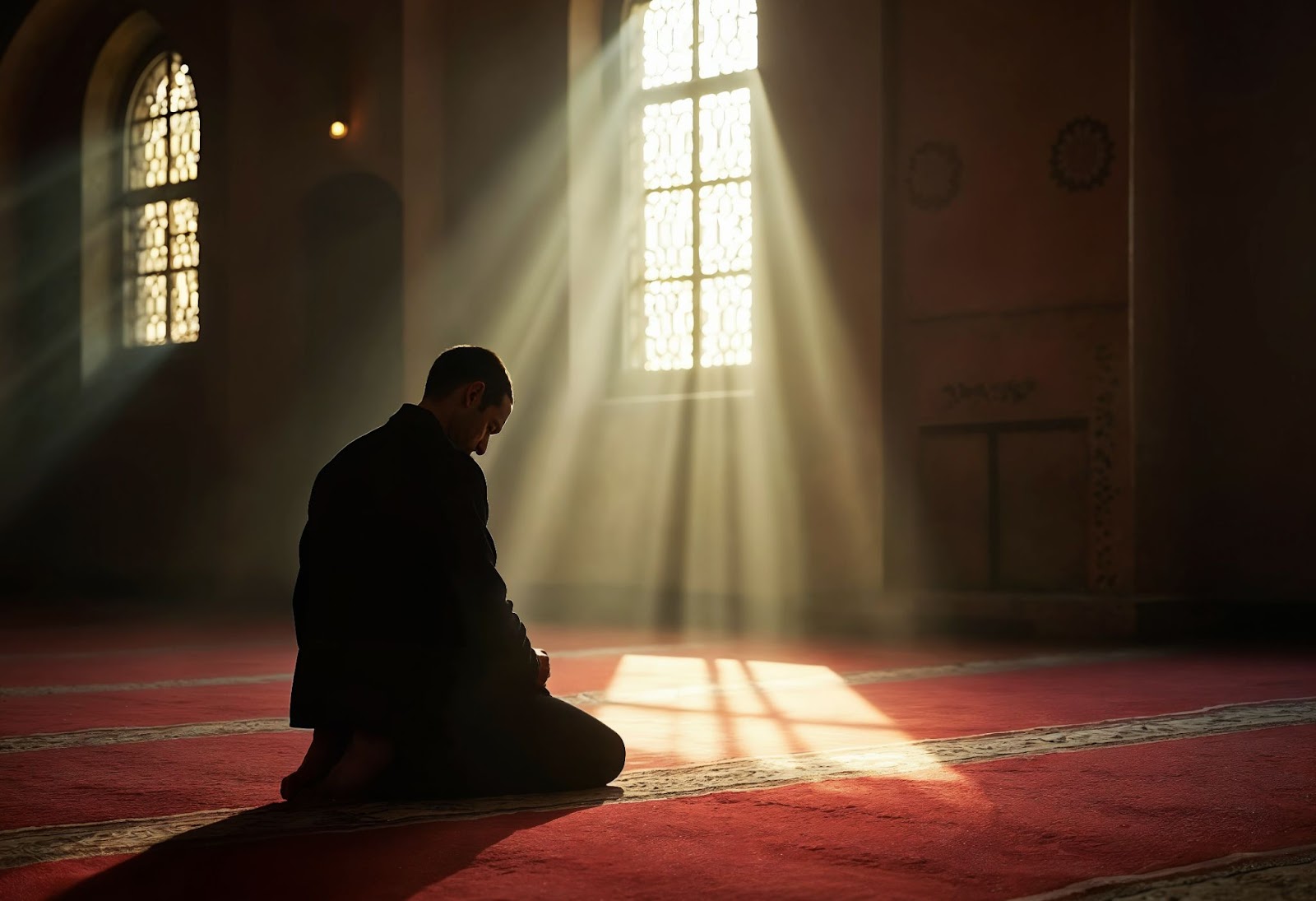
| | Salat al-Ishraq | 15–45 min after sunrise | 2 or 4 | Reward like full Hajj + Umrah (with Fajr & dhikr); daily blessings. | “Whoever prays Fajr in jama’ah, remembers Allah till sunrise, then prays 2 rak’at…” (Tirmidhi, Hasan) |


| | Salat al-Duha / Chasht | Mid-morning (sun high till before Zuhr) | 2–8 (up to 12) | Charity for 360 joints; rizq increase; sins forgiven. | “Charity due on every joint… fulfilled by 2 rak’at Duha.” (Sahih Muslim) |

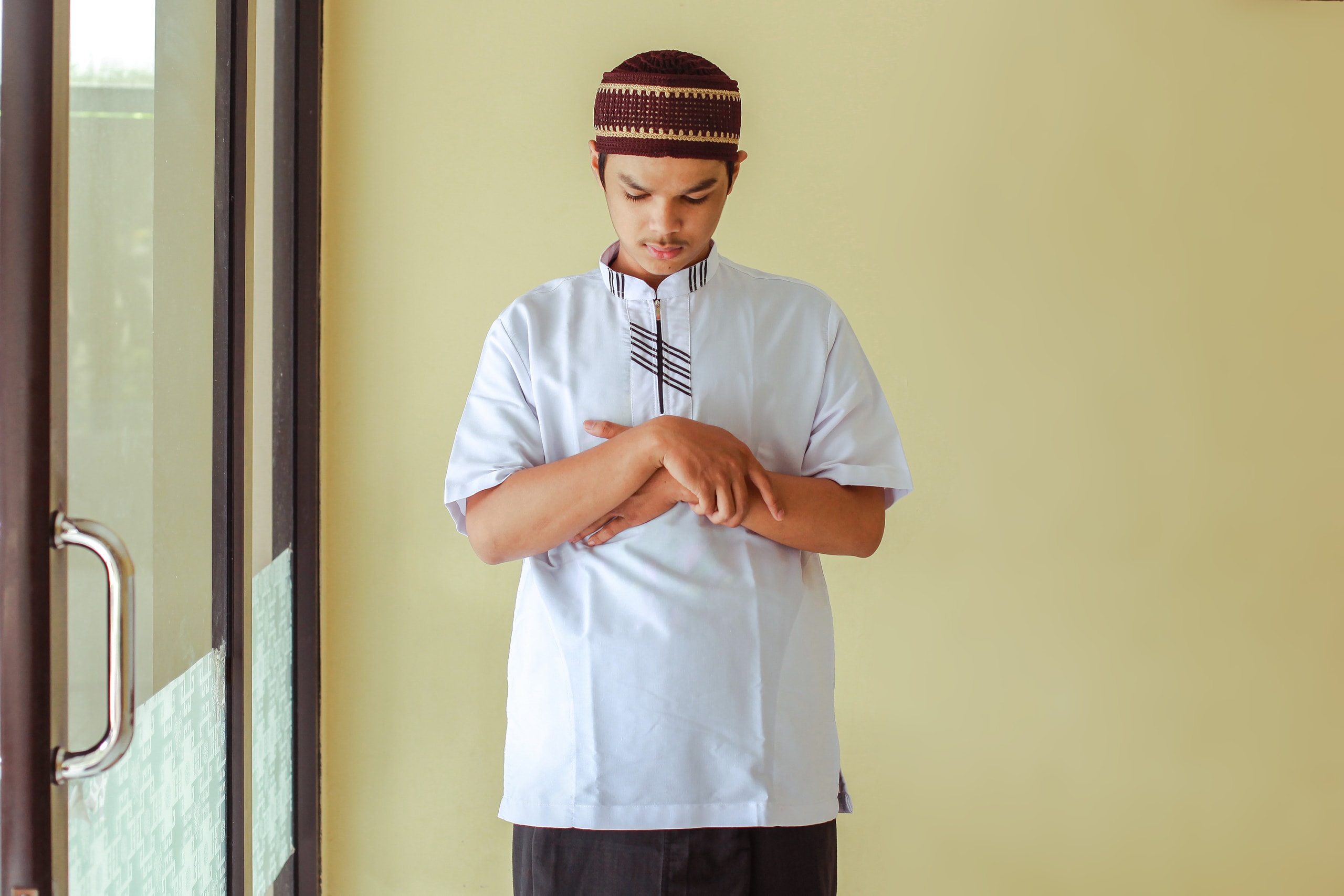
| | Salat al-Awwabin | After Maghrib (post-Sunnah) | 6 (in 2s), up to more | For repentant hearts; special mercy & forgiveness. | “Prayer between Maghrib & Isha for Awwabin.” (Tirmidhi) | (Performed like regular Nafl; see general prostration images below) | | Tahiyyat al-Masjid | Upon entering mosque (before sitting) | 2 | Greets Allah’s house; great reward. | “When entering mosque, pray 2 rak’at before sitting.” (Bukhari & Muslim) |
| | Tahiyyat al-Wudu | Right after wudu | 2 | Paradise becomes obligatory; huge reward. | Prophet to Bilal: Best deed includes wudu & prayer after (Muslim) | (Similar to general Nafl) | | Salat al-Tawbah | After sin, seeking forgiveness (any time) | 2 | Sincere repentance with prayer leads to forgiveness. | “Seek pardon… perform 2 rak’at for tawbah.” (Abu Dawud) |

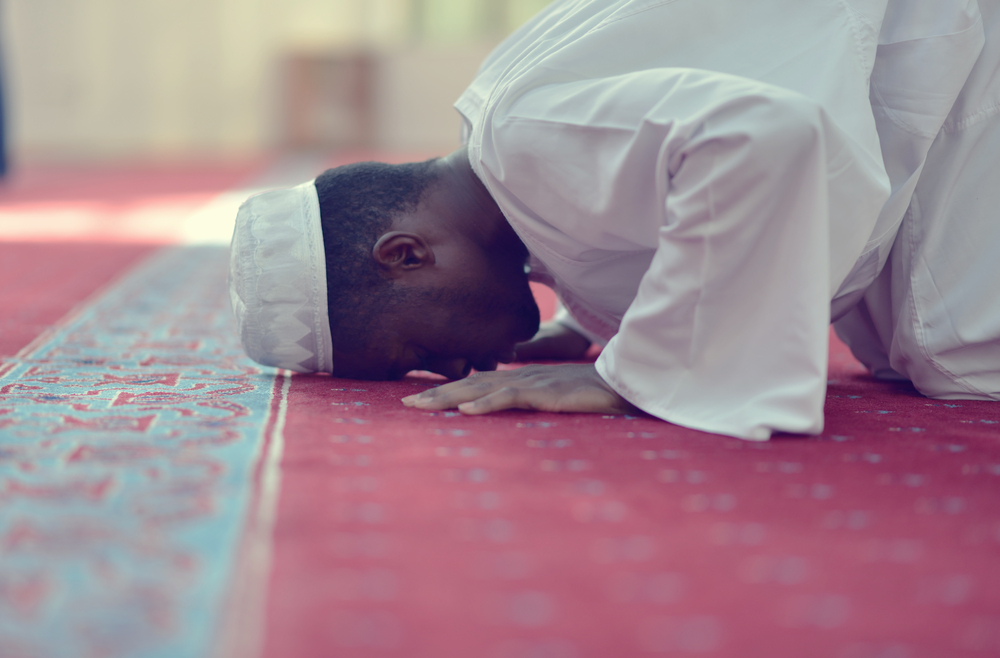
| | Salat al-Istikhara | For guidance in decisions | 2 | Allah chooses best; brings peace. | “Pray 2 rak’at… then dua.” (Bukhari) | (Focus on dua; see prostration images) | | Salat al-Hajat | In need/difficulty | 2+ | Fulfills legitimate needs via dua. | “For need… pray 2 rak’at, praise Allah…” (Tirmidhi) | (Devotional posture) | | Salat at-Tasbih | Any time (often night) | 4 (special tasbih: 75 per rak’at) | Glorifies Allah heavily; forgives major/minor sins. | Taught to Abbas for forgiveness (Abu Dawud, Hasan) | (Standard with extra dhikr) |
Additional Notes for World Wide Islam Visitors
- Nafl draw Allah’s love (Hadith Qudsi in Bukhari: “My servant draws near… until I love him”).
- Pray with sincerity, proper wudu, facing Qibla.
- General Nafl can be anytime permissible.
These visuals show the devotion in Nafl prayers. Share on World Wide Islam to inspire global Ummah. May Allah accept all our Salah! 🌙🕌